Car Seating Comfort for Tall Drivers
Published How we research
Most tall drivers never use their car's full adjustment range. Lower the seat cushion all the way for headroom, then slide back until your legs reach the pedals with a slight bend. Extend a telescoping steering column toward you so you can sit back with a relaxed arm bend, and bring adjustable pedals closer rather than sliding the seat forward. Engage lumbar support so you do not slouch. When buying, test-fit in your real driving position and avoid mandatory sunroofs, which eat headroom. Driving while tall often means a sore neck, cramped knees, and a constant battle with a roof that feels inches too low. Car interiors are engineered around an average driver, so tall people frequently sit with their seat slammed back, head brushing the headliner, and legs at an awkward angle. Getting comfortable is a mix of dialing in every adjustment your car offers and, when it is time to buy, knowing which features actually accommodate height.
Products from this article
The highest-scoring picks from the buying guides this article links to. Scores are our editorial assessment, not customer ratings.
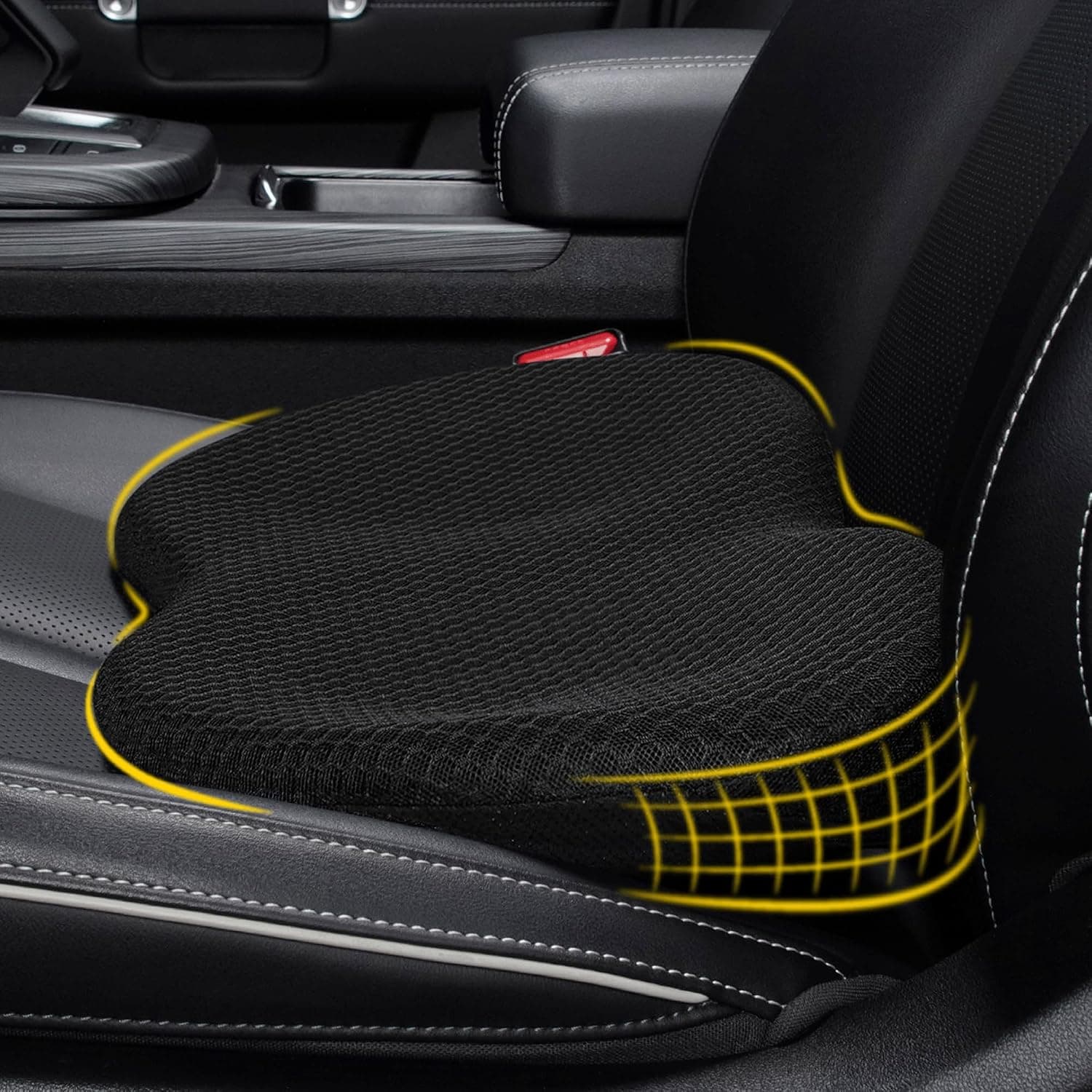
+ Only 1.2 inches thick, so it adds padding while taking little headroom from a tall driver
From our guide: Best Car Seat Cushions for Tall Drivers
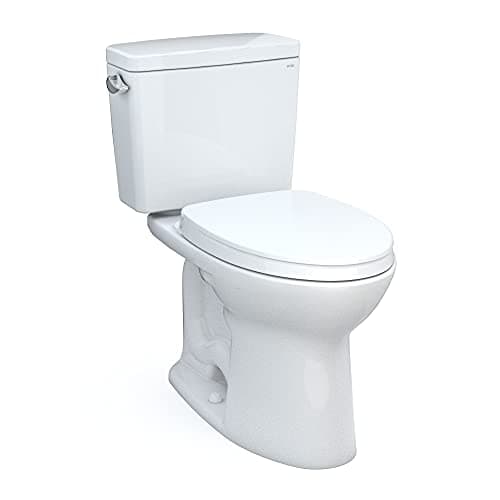
+ Universal Height bowl is taller than a standard toilet, which the listing says makes sitting down and standing up easier and can meet the ADA height requirement.
From our guide: Best Comfort Height Toilets for Tall People
+ 75.8" height shows head to toe even for people well over six feet
From our guide: Best Full Length Mirrors for a Head-to-Toe View
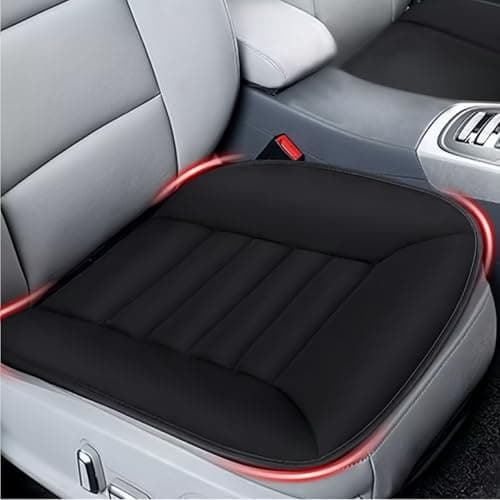
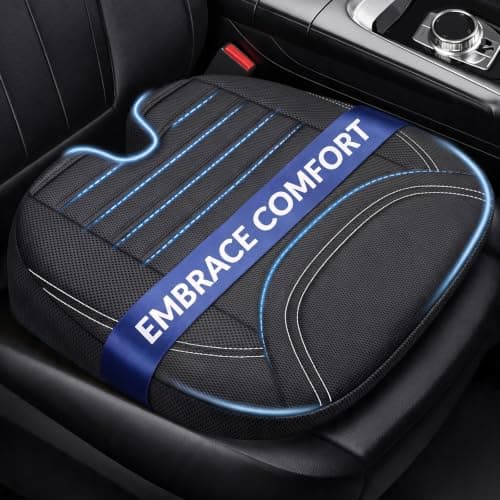
+ Front thigh slope is designed to reduce pressure under the thighs on long drives
From our guide: Best Car Seat Cushions for Tall Drivers

Set the seat correctly first
Start by setting the seat correctly, because most tall drivers never use their car's full range of adjustment. Lower the seat cushion as far as it goes to gain headroom, then slide back until your legs reach the pedals with a slight bend rather than fully extended. If your car has seat-height and cushion-tilt controls, use them to support your thighs without lifting your head into the roof. The goal is a position where you can press the pedals fully while keeping a relaxed bend in the knees.
Steering wheel and pedal adjustments
Steering wheel and pedal adjustments fine-tune the fit and matter more than tall drivers expect. A telescoping steering column that extends toward you lets you sit back for legroom while still reaching the wheel comfortably, so your arms have a slight bend and your shoulders stay against the seat. If the car has adjustable pedals, bring them closer so you do not have to slide the seat forward and sacrifice knee room. Set the wheel low enough that it does not block the instruments from your higher sightline.
Headroom is the constraint you cannot adjust away
Headroom is the constraint you cannot adjust away, so manage it wherever you can. Reclining the seatback slightly buys a little clearance, but too much recline hurts control and visibility. If a sunroof housing is stealing the inches you need, remember that cars without a sunroof usually offer more headroom, which is a key thing to check before buying. In your current car, make sure the seat is at its lowest before concluding the roof is simply too low.
Lumbar support and posture
Lumbar support and posture protect your back over long drives. Tall drivers often slouch to fit under the roof, which strains the lower spine. Engage any built-in lumbar support, or add a supportive cushion, so your lower back keeps its natural curve. A wedge cushion can also tilt your hips for better thigh support if the seat cushion is too short, a common issue for long legs in compact cars.
Reset mirrors last, from your final position
Mirrors and visibility need resetting once you have found your seating position, and only then. From your final, higher seated position, adjust the rearview and side mirrors so you have full coverage without craning. Tall drivers sometimes sit higher than the designer assumed, which changes blind spots, so take the time to recheck all three mirrors and confirm you can see clearly to each side and behind.
Test-fit a car the way you actually drive
When buying a car, test-fit it the way you actually drive rather than trusting specs alone. Sit in the driver's seat, push it to your real position, and check headroom, knee clearance from the dash and door, and how your legs meet the pedals. Look for telescoping steering, low-mounting seats, adjustable pedals, and models known for tall-driver space, and be wary of sloping rooflines and mandatory sunroofs that eat headroom. A short list of cars that genuinely fit your frame beats a long list of ones that only look roomy on paper.
Frequently asked questions
How should a tall driver adjust the seat? Lower the cushion as far as it goes for headroom, then slide back until your legs reach the pedals with a slight bend rather than fully extended, using seat-height and tilt controls to support your thighs without lifting your head into the roof.
What car features matter most for tall drivers? A telescoping steering column, a low-mounting seat, adjustable pedals, generous headroom (often meaning no sunroof), and models known for tall-driver space. Be wary of sloping rooflines.
Why do I keep hitting my head on the roof even with the seat back? Check the seat is at its lowest setting first. A sunroof housing often steals the inches you need, so a version without one usually offers more headroom.
How do I stop my lower back hurting on long drives when I am tall? Tall drivers slouch to fit under the roof, which strains the spine. Engage the built-in lumbar support or add a cushion so your lower back keeps its natural curve, and a wedge cushion can improve thigh support if the seat cushion is short.
Popular right now
- Height to Inseam ChartArticle
- What LT and XLT Mean: Tall Sizing ExplainedArticle
- Best Tall Men's ChinosBuying guide
- Best Tall Women's Coats With Extra Length and Sleeve ReachBuying guide
- Best Tall Women's Jumpsuits for Longer Torso and LegsBuying guide
- Best Extra Tall Floor Lamps for Tall PeopleBuying guide
Based on the last 28 days of search and visitor data.