Tall-Friendly Home Furniture Tips
Published How we research
Furniture shopping as a tall person can feel like trying on a world built two sizes too small. Sofas swallow you into a slouch, dining chairs leave your knees jammed under the table, and low counters force a permanent hunch in the kitchen. Choosing tall-friendly furniture, and knowing how to adapt what you already own, keeps your home comfortable instead of quietly wearing out your back and neck.
Products from this article
The highest-scoring picks from the buying guides this article links to. Scores are our editorial assessment, not customer ratings.
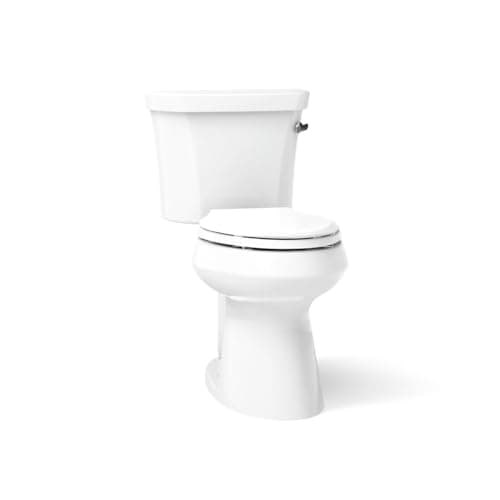
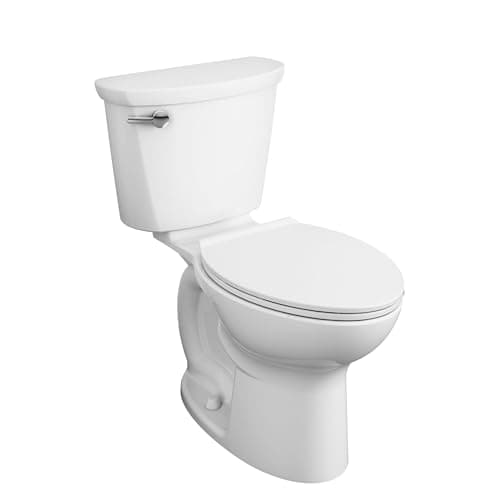
+ Universal Height bowl is taller than a standard toilet, which the listing says makes sitting down and standing up easier and can meet the ADA height requirement.
From our guide: Best Comfort Height Toilets for Tall People
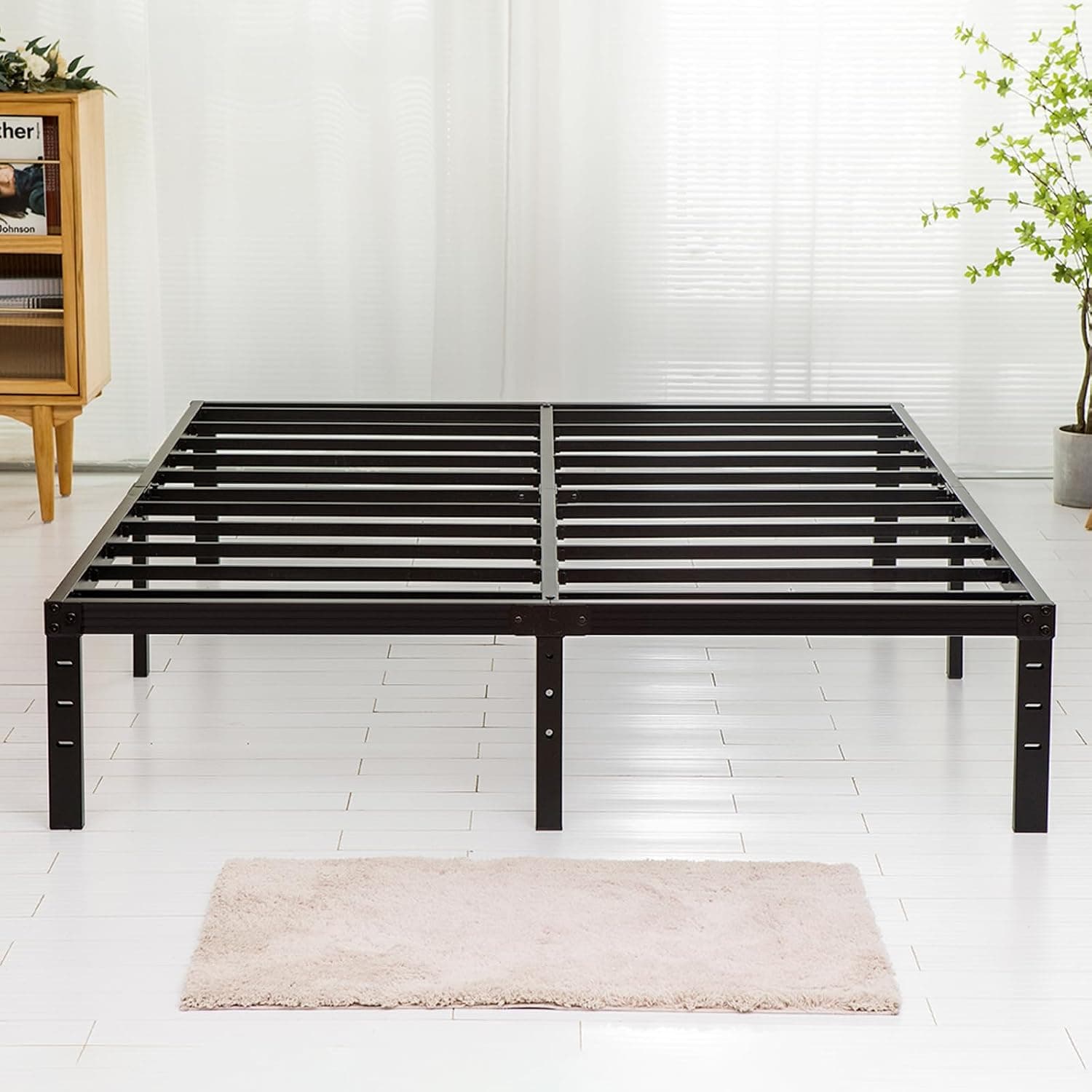
+ 3500lbs rating gives a clear sense of how much weight it handles
From our guide: Best Tall Bed Frames for Easy Access and Storage
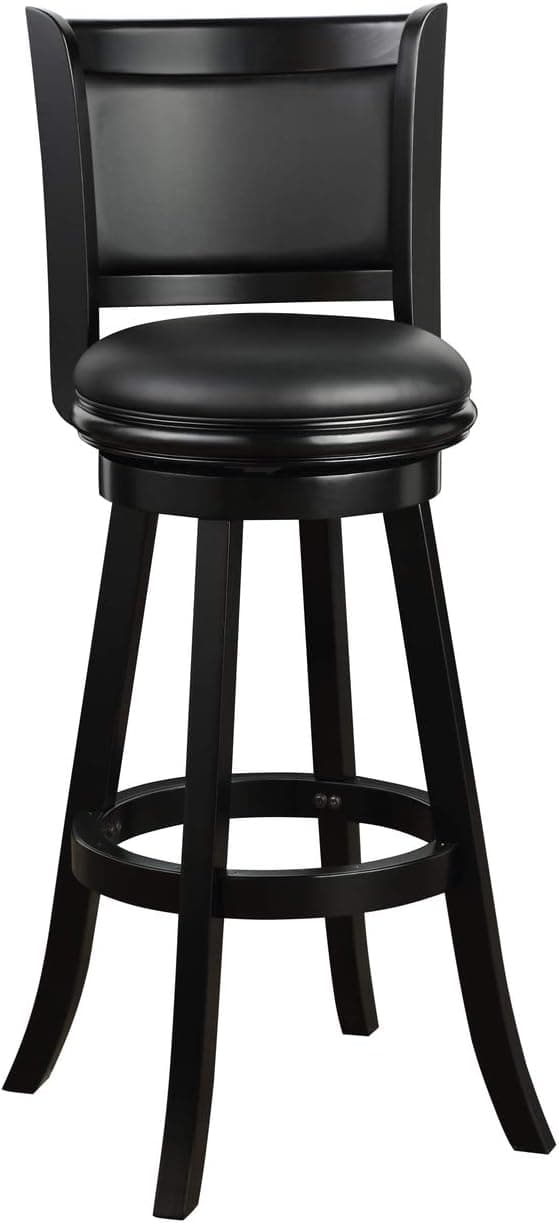
+ 34-Inch seat height suits extra tall bars and raised counters
From our guide: Best Extra Tall Bar Stools for Tall People
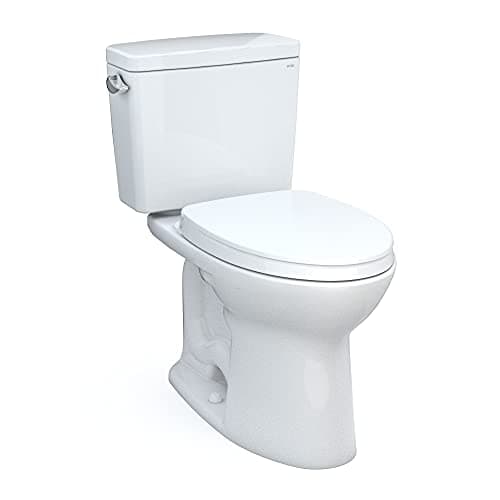
+ Chair height bowl sits higher than a standard toilet, which suits taller people who find low bowls awkward to get up from.
From our guide: Best Comfort Height Toilets for Tall People
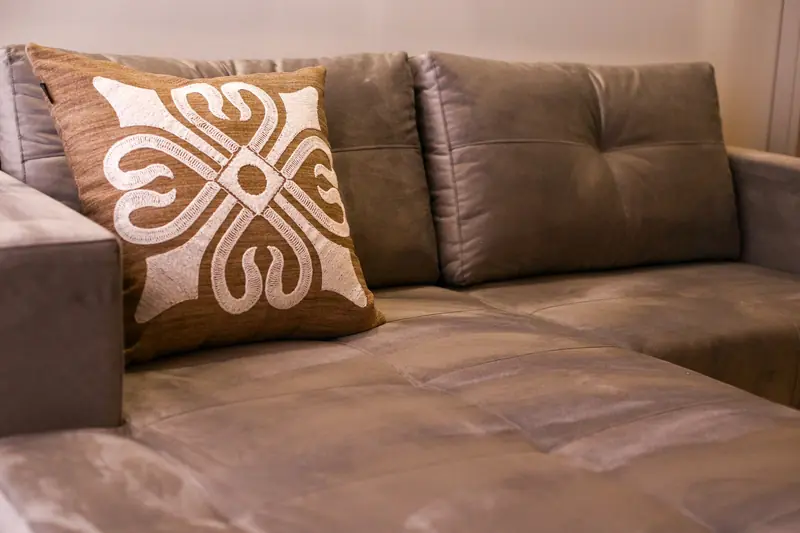
Seat height is the single most important measurement across almost every piece of furniture. For chairs and sofas, tall people are usually more comfortable with a seat height around 18 to 20 inches or more, since a low seat drops your knees above your hips and crunches your posture. When shopping, ignore the style photos and check the listed seat height, then sit down and confirm your thighs stay roughly level and your feet plant flat on the floor.
Seat depth matters just as much for sofas, because tall people often have longer legs that need support. A shallow seat leaves your thighs unsupported and pushes you to perch on the edge, while a deep seat lets you sit back fully with your spine against the cushions. Look for sofas with a deeper seat, or use fewer, firmer back cushions to reclaim depth, so you can actually lean back without your feet leaving the ground.
Tables and desks need enough clearance underneath and enough height on top. Standard dining tables sit around 30 inches, which can trap long thighs and force a stoop. Look for tables with generous leg clearance and no wide apron or low stretcher bar that bangs your knees. If a table you love sits too low, furniture risers or bun feet can add a couple of inches, and this same trick rescues low coffee tables and desks.
Beds and their frames deserve a tall person's attention beyond mattress length, which is a topic of its own. A bed that sits higher off the floor is easier to get in and out of for long legs, so consider a taller frame or add-on risers under the legs. Just make sure risers are rated for the weight and sit securely, since a wobbling frame is worse than a low one.
Kitchen counters are a fixed pain point in most homes because they are built to a standard 36-inch height that is low for tall cooks. During a renovation you can specify a raised counter, but short of that, keep the tasks that involve force, like kneading or chopping, on the highest available surface such as a raised island or a butcher block on top of the counter. A portable raised cutting station lets you prep at a comfortable height without rebuilding the kitchen.
When you cannot buy new, adapt what you have with a few reliable tricks. Furniture risers, leg extenders, and bun feet add height to sofas, beds, tables, and chairs cheaply and reversibly. Firmer cushions raise a sunken seat, and a lumbar pillow can improve a too-deep chair. Shop with a tape measure, keep your ideal seat height and clearance numbers handy, and treat every listed dimension as the real deciding factor, because for a tall body the right measurements matter far more than the styling.
Popular right now
- Height to Inseam ChartArticle
- Car Seating Comfort for Tall DriversArticle
- What LT and XLT Mean: Tall Sizing ExplainedArticle
- Best Tall Men's ChinosBuying guide
- Best Tall Women's Coats With Extra Length and Sleeve ReachBuying guide
- Best Tall Women's Jumpsuits for Longer Torso and LegsBuying guide
Based on the last 28 days of search and visitor data.