Best Desk and Chair Height for Tall People
Published How we research
Most desks and chairs are built around average height, which leaves tall people hunched, cramped, and sore. Getting the heights right is one of the most effective things you can do for daily comfort, and it does not require expensive furniture.
Products from this article
The highest-scoring picks from the buying guides this article links to. Scores are our editorial assessment, not customer ratings.
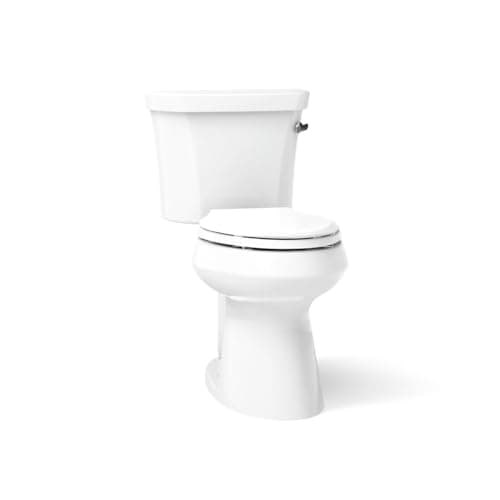
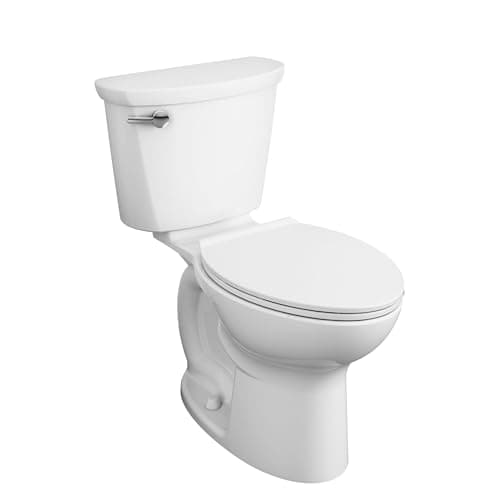
+ Universal Height bowl is taller than a standard toilet, which the listing says makes sitting down and standing up easier and can meet the ADA height requirement.
From our guide: Best Comfort Height Toilets for Tall People
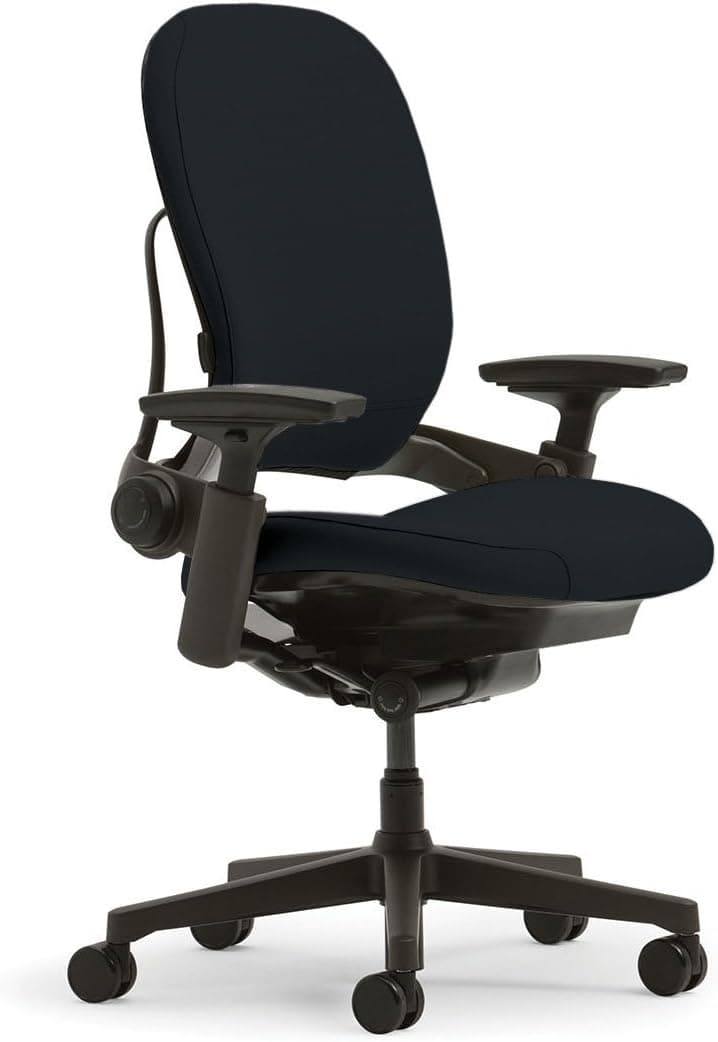
+ Leap V2 offers seat depth adjustment that helps long thighs
From our guide: Best Office Chairs for Tall People
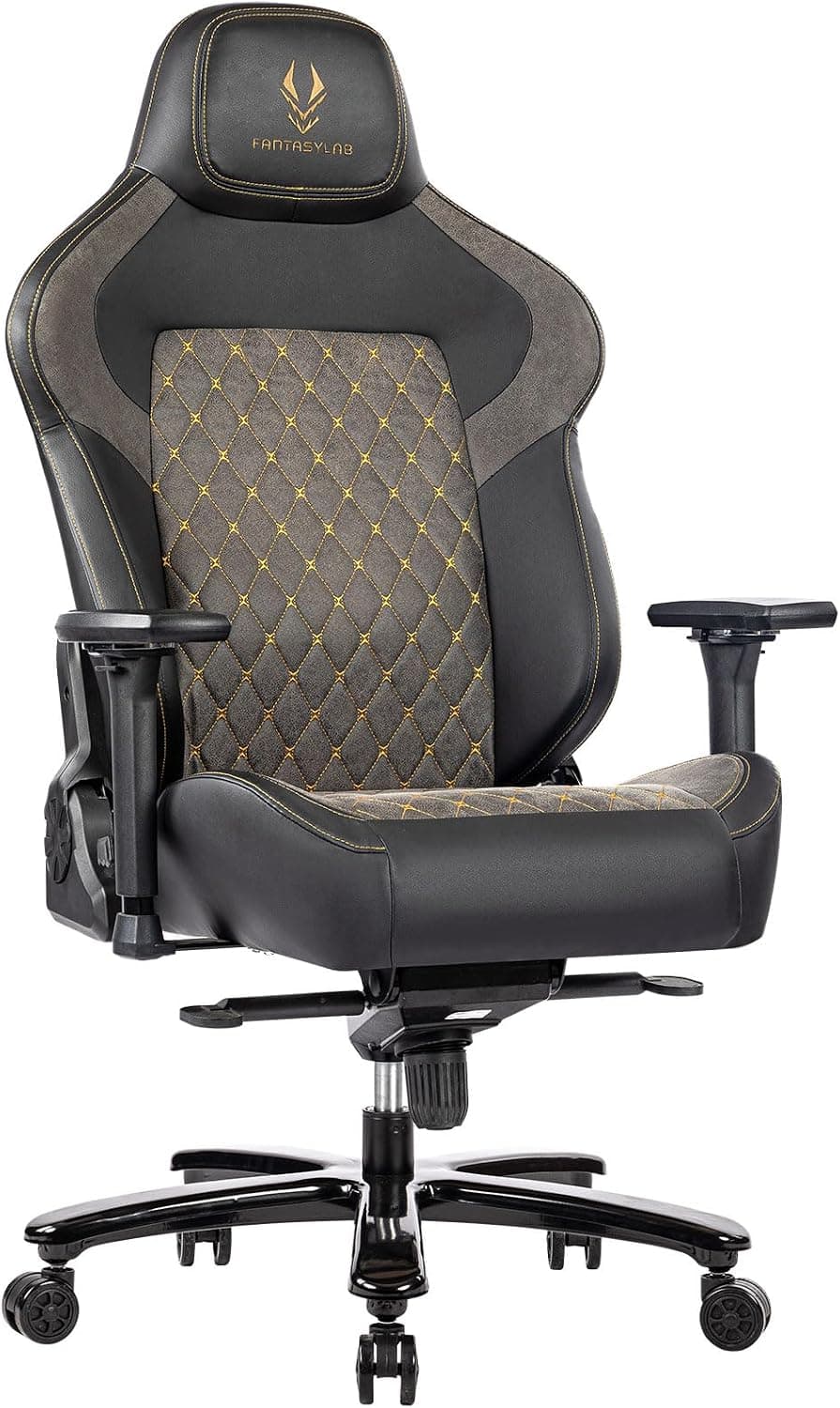
+ 440LBS rating is the highest capacity among these gaming chairs
From our guide: Best Gaming Chairs for Tall People
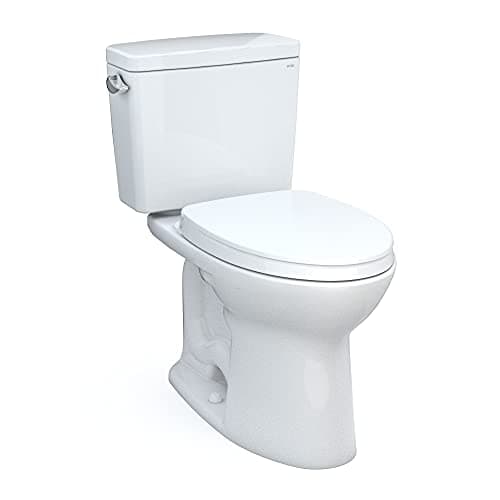
+ Chair height bowl sits higher than a standard toilet, which suits taller people who find low bowls awkward to get up from.
From our guide: Best Comfort Height Toilets for Tall People
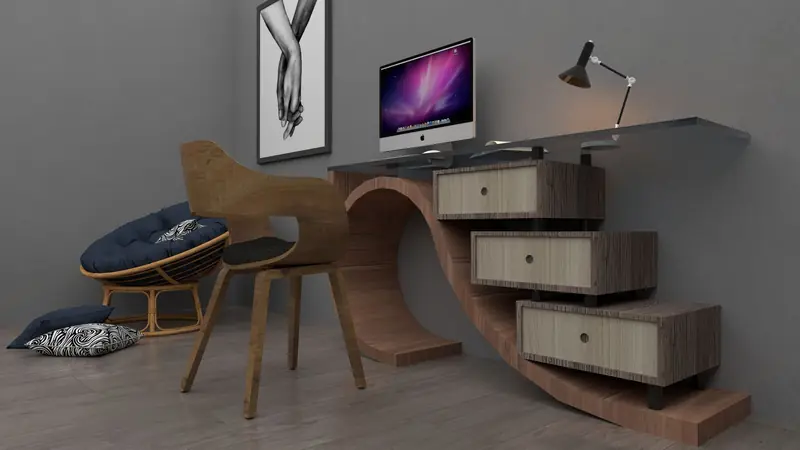
Start with your chair. When you sit, your feet should rest flat on the floor with your knees at roughly a right angle, and your thighs should be about parallel to the ground. Taller legs often need a seat that raises higher than a standard chair allows, so look for chairs with a generous height range or a taller gas cylinder.
Desk height matters just as much. When your forearms rest on the desk, your elbows should sit at about a right angle and your shoulders should stay relaxed, not shrugged upward. Many standard desks sit too low for tall people, forcing you to slouch down to reach the surface.
If your desk is too low, raising it is usually easier than replacing it. Sturdy desk risers, furniture leg extenders, or simply setting the desk on solid blocks can add the inches you need. Measure the gap between your comfortable elbow height and the current surface, then raise by that amount.
Your monitor should be adjusted too. The top of the screen should sit at about eye level so you are not tilting your head down. Tall people often need a taller monitor arm or a stand, since screens set for average height sit far too low and pull the neck forward.
Watch for the classic warning signs of a mismatched setup. Reaching down to a low desk rounds your shoulders and strains your neck. A seat that is too low bends your knees sharply and cuts off comfort in your legs. If you finish the day aching in the same spots, your heights are likely off.
The goal is a neutral posture where your body stacks comfortably and nothing has to reach or crouch. Dial in the chair first, then the desk, then the screen, and adjust in small steps until sitting feels effortless.
Popular right now
- Height to Inseam ChartArticle
- Car Seating Comfort for Tall DriversArticle
- What LT and XLT Mean: Tall Sizing ExplainedArticle
- Best Tall Men's ChinosBuying guide
- Best Tall Women's Coats With Extra Length and Sleeve ReachBuying guide
- Best Tall Women's Jumpsuits for Longer Torso and LegsBuying guide
Based on the last 28 days of search and visitor data.