Extra-Long Bedding Sizes Explained
Published How we research
Once a tall person invests in a longer mattress, the next hurdle is dressing it. Extra-long bedding is a category full of near-identical names and easy-to-miss dimension differences, and buying the wrong one means fitted sheets that pop off or flat sheets that come up short. Understanding the sizes, and the measurements behind them, lets you buy bedding that actually stays put on a bed built for height.
Products from this article
The highest-scoring picks from the buying guides this article links to. Scores are our editorial assessment, not customer ratings.
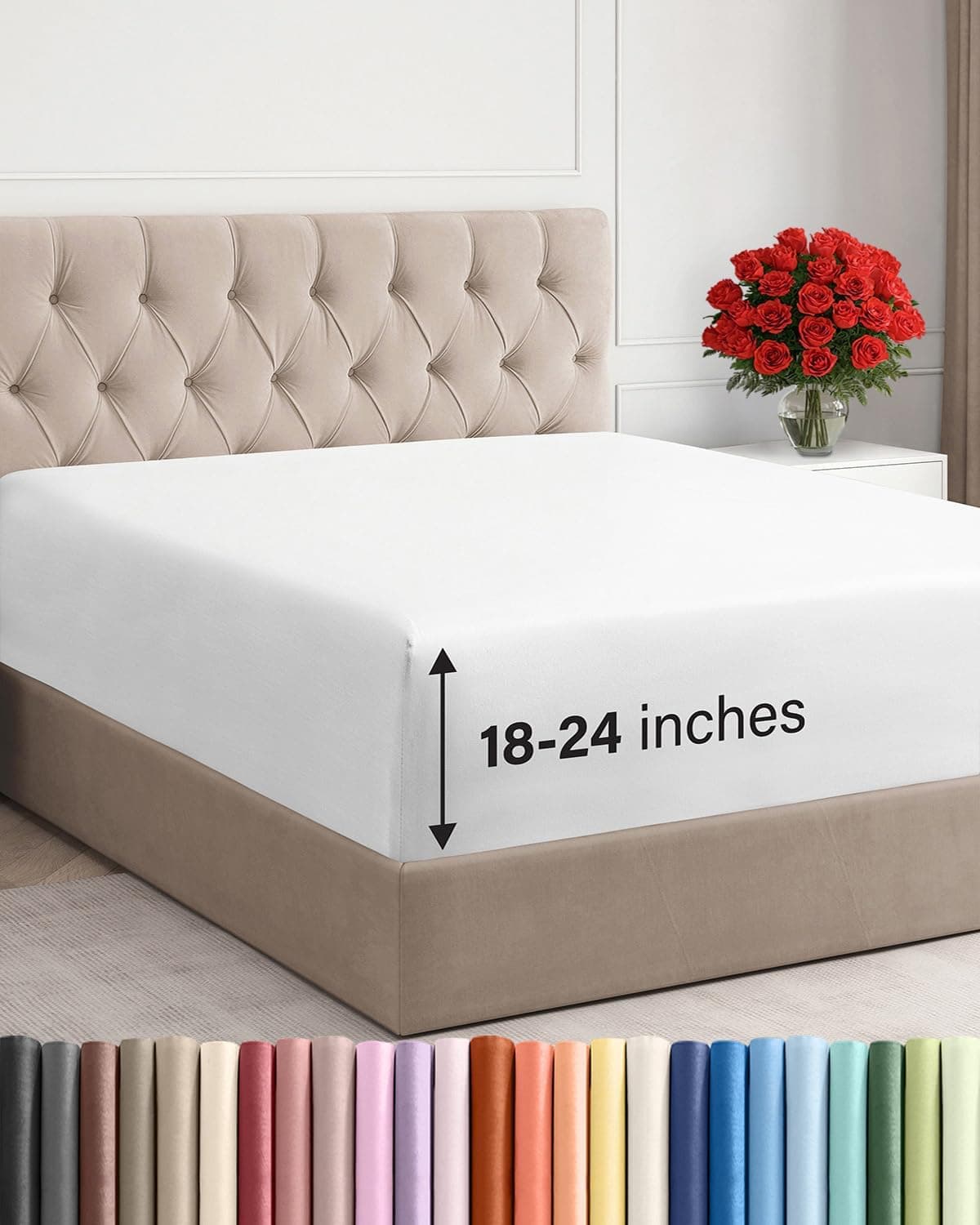
+ Fits 18"-24" mattresses, including thick pillow tops
From our guide: Best Extra Deep King Fitted Sheets
+ 18"-24" deep pocket handles thick Cal King mattresses and toppers
From our guide: Best California King Sheets for Longer Mattresses
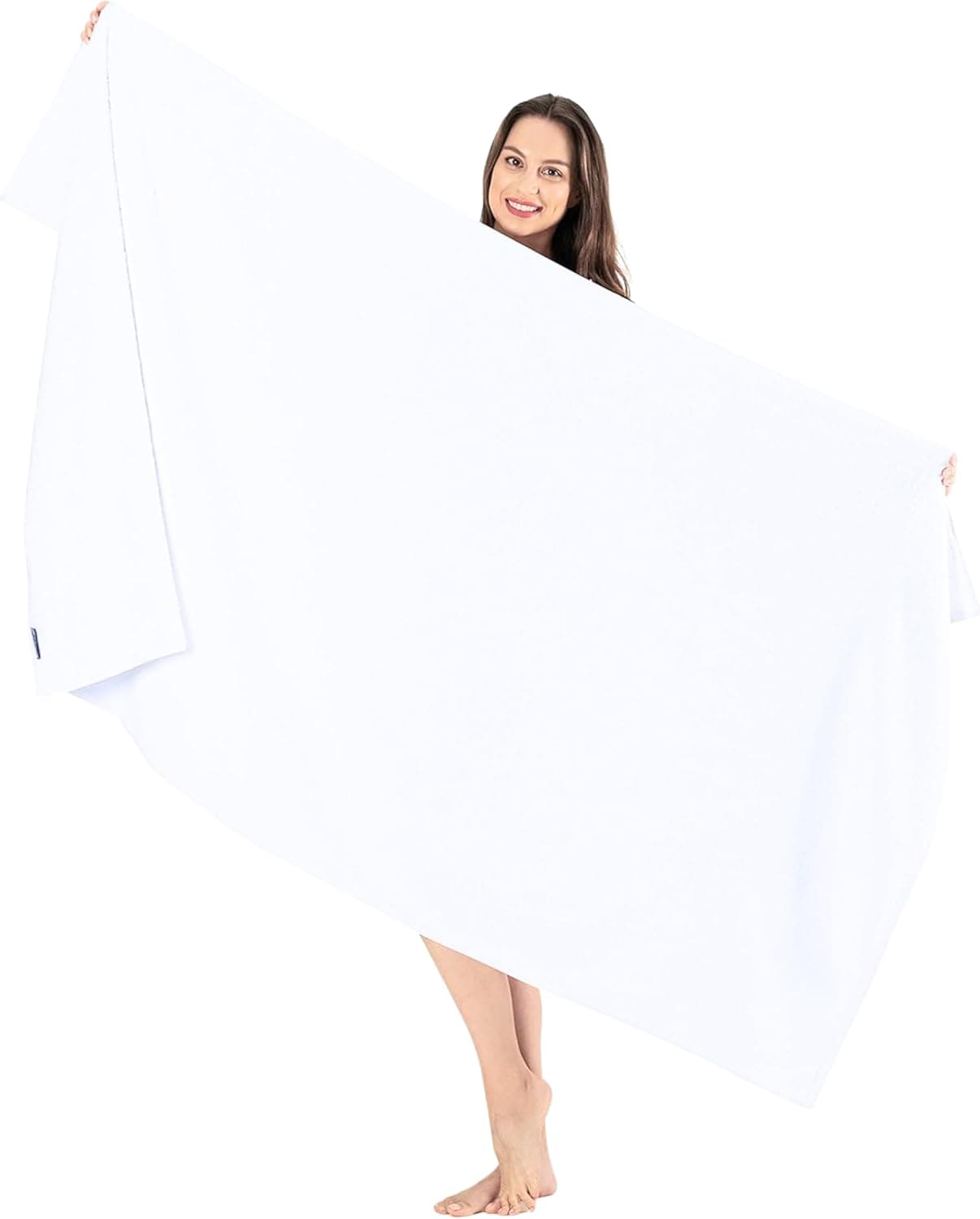
+ 40x80 in size is generous for tall bodies
From our guide: Best Extra Long Bath Sheets
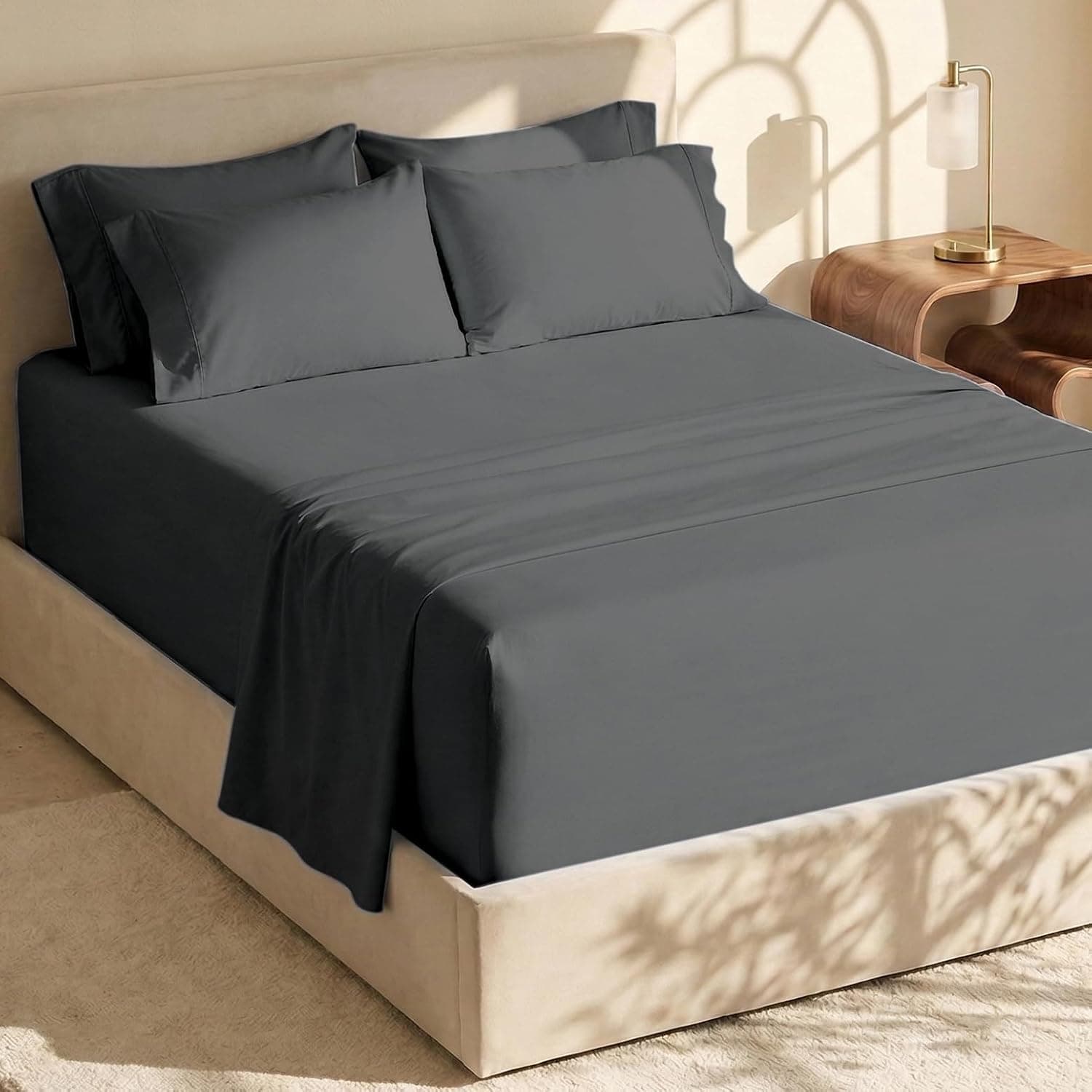
+ 6 Piece set includes extra pillowcases for rotating between washes
From our guide: Best Extra Deep King Fitted Sheets


The most common extra-long size is the twin XL, which measures roughly 39 by 80 inches. It is five inches longer than a standard twin, matching the length of a queen. Twin XL bedding is widely stocked because of college dorms, so it is the easiest extra-long size to find in stores. If you have a single long bed, twin XL sheets, and the longer duvet inserts that go with them, are your straightforward option.
California king bedding is the other major long format, sized for an 84 by 72 inch mattress. The crucial thing to know is that California king is longer but narrower than a standard king, so the two are not interchangeable. A standard king sheet will be too wide and too short for a California king, bunching at the sides while pulling off the ends. Always buy sheets labeled California king specifically, never just king.
Beyond these mainstream options lie true specialty sizes for custom and extra-long mattresses that run 84 to 90 inches or more. Bedding for these often has to be ordered from specialty retailers or made to measure, and the selection of colors and materials narrows considerably. If you own or plan to buy such a mattress, confirm the bedding supply chain first, because a beautiful custom bed is little use if you cannot keep it dressed comfortably.
Pocket depth is the detail that trips up tall sleepers who have added length without thinking about height. A fitted sheet has to wrap the sides and tuck underneath, and modern mattresses, especially those with pillow tops or added toppers, can be very thick. Measure your mattress from top to bottom and choose deep-pocket or extra-deep-pocket sheets rated to that depth, or the corners will lift off every time you move.
Flat sheets, duvet covers, and blankets need attention too, since a fitted sheet that fits does not guarantee the rest will. On a longer bed you want extra fabric at the top to tuck and fold, so err toward the larger dimension when a product straddles two sizes. Duvet inserts should match the cover length, and a blanket that was generous on a standard bed may feel short once you stretch out, so consider sizing up the top layers for coverage.
A few habits make extra-long bedding reliable. Keep a note of your exact mattress dimensions including depth, buy sheets with elasticized all-around corners for a firmer grip, and use sheet straps or suspenders under the mattress if corners still slip. Wash before first use so cotton does its shrinking early rather than after you have relied on the fit. With the right size, the right pocket depth, and a little reinforcement, your longer bed stays neatly made instead of unraveling in the night.
Popular right now
- Height to Inseam ChartArticle
- Car Seating Comfort for Tall DriversArticle
- What LT and XLT Mean: Tall Sizing ExplainedArticle
- Best Tall Men's ChinosBuying guide
- Best Tall Women's Coats With Extra Length and Sleeve ReachBuying guide
- Best Tall Women's Jumpsuits for Longer Torso and LegsBuying guide
Based on the last 28 days of search and visitor data.