Layering Clothes for Tall Frames
Published How we research
Layering is where tall people's clothing problems multiply, because every garment that is slightly too short becomes obvious when stacked with others. A base layer rides up, a mid layer exposes the wrists, and an untucked shirt peeks out the bottom of a jacket. Done well, though, layering is actually a tall person's advantage, since a long frame carries multiple layers with an ease that shorter builds struggle to match.
Products from this article
The highest-scoring picks from the buying guides this article links to. Scores are our editorial assessment, not customer ratings.
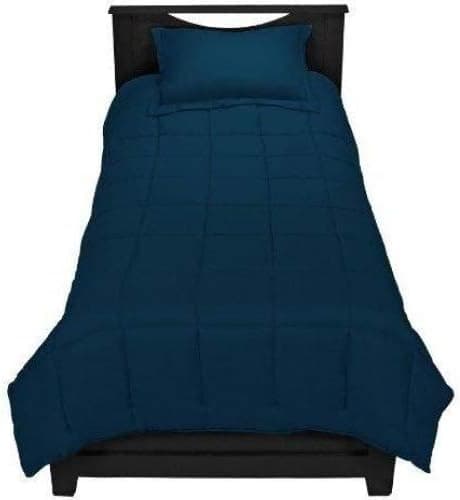
+ Includes sheets, so one purchase covers the whole Twin XL bed
From our guide: Best Extra Long Twin Comforters
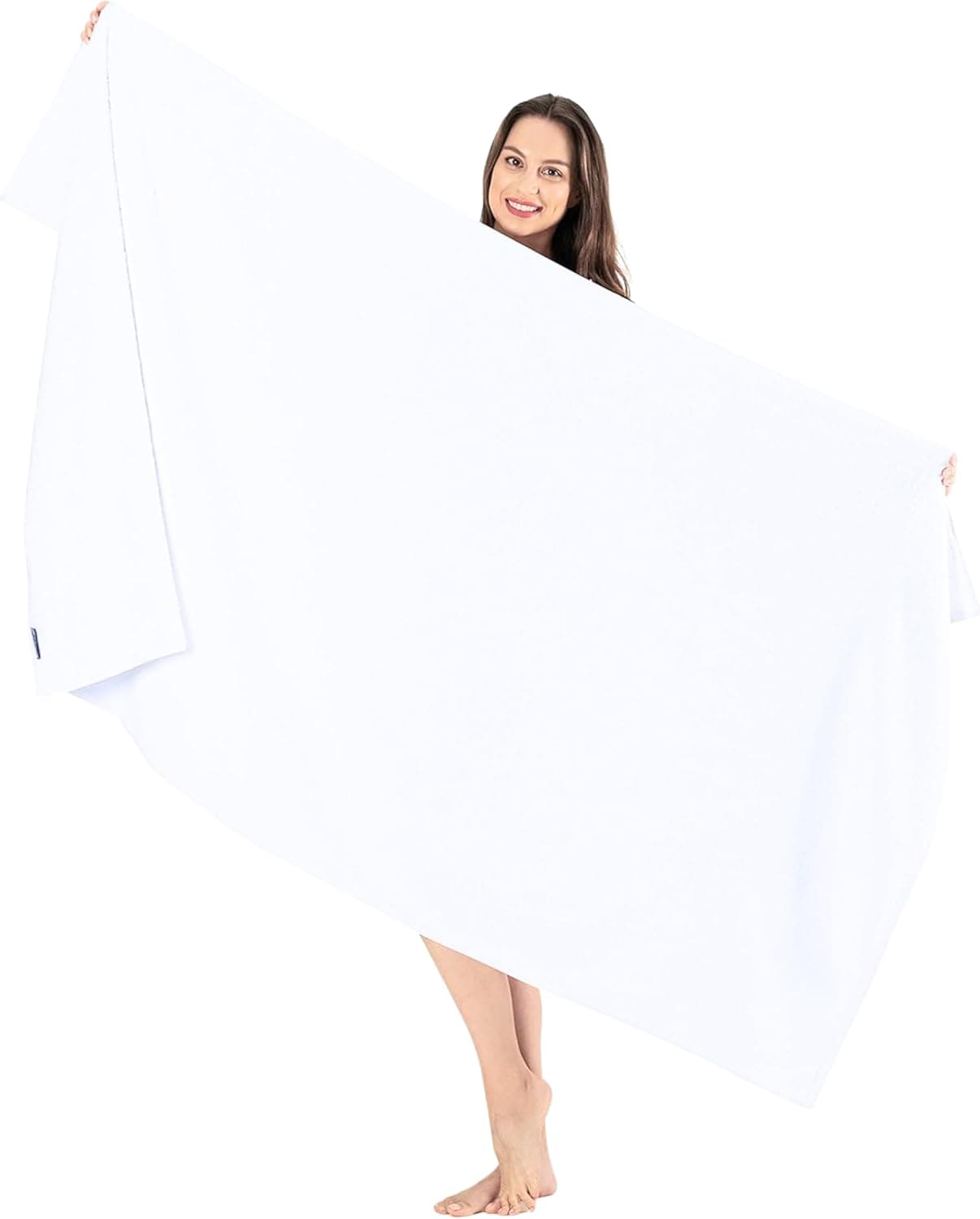
+ 40x80 in size is generous for tall bodies
From our guide: Best Extra Long Bath Sheets
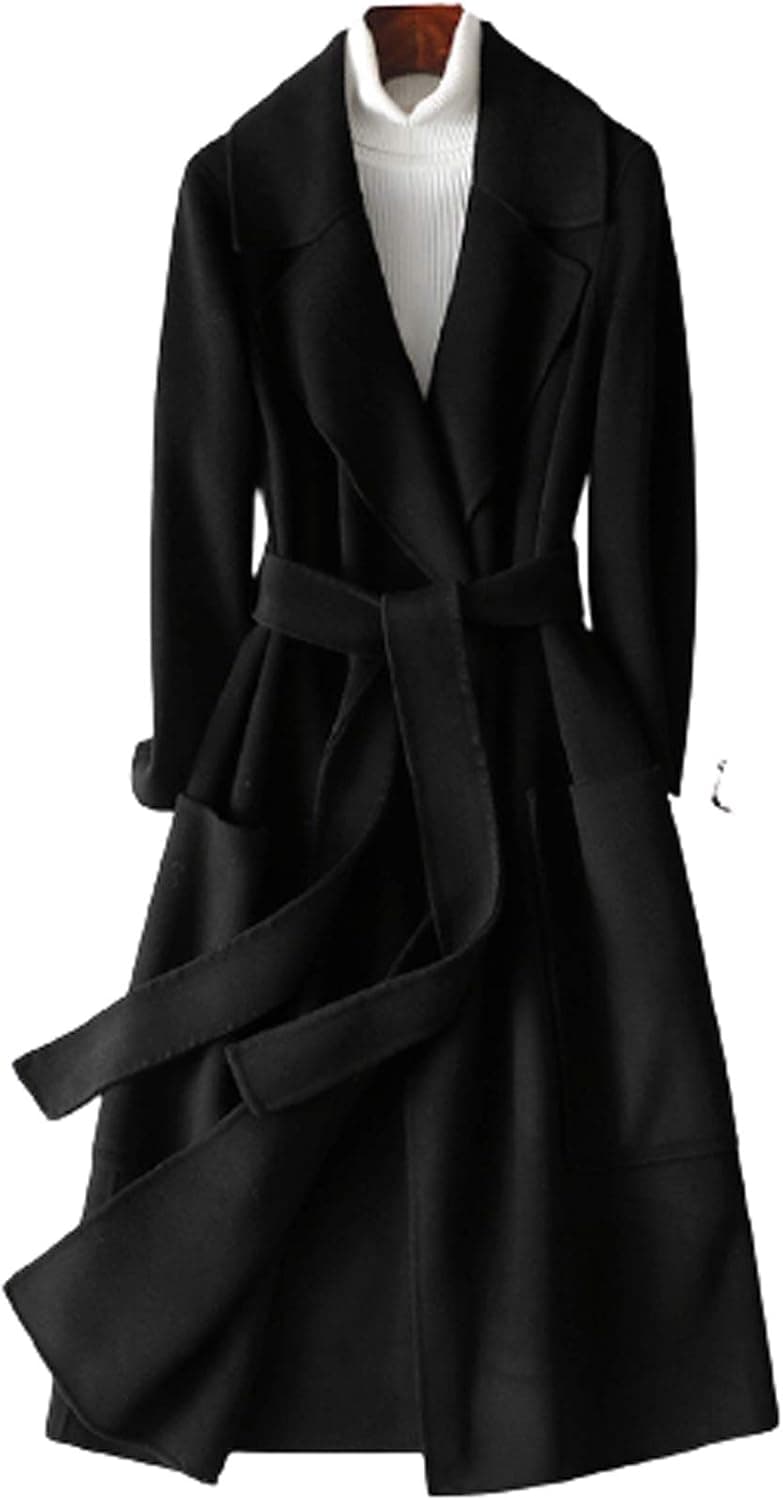
+ 100% wool gives excellent natural warmth and breathability
From our guide: Best Tall Women's Coats With Extra Length and Sleeve Reach
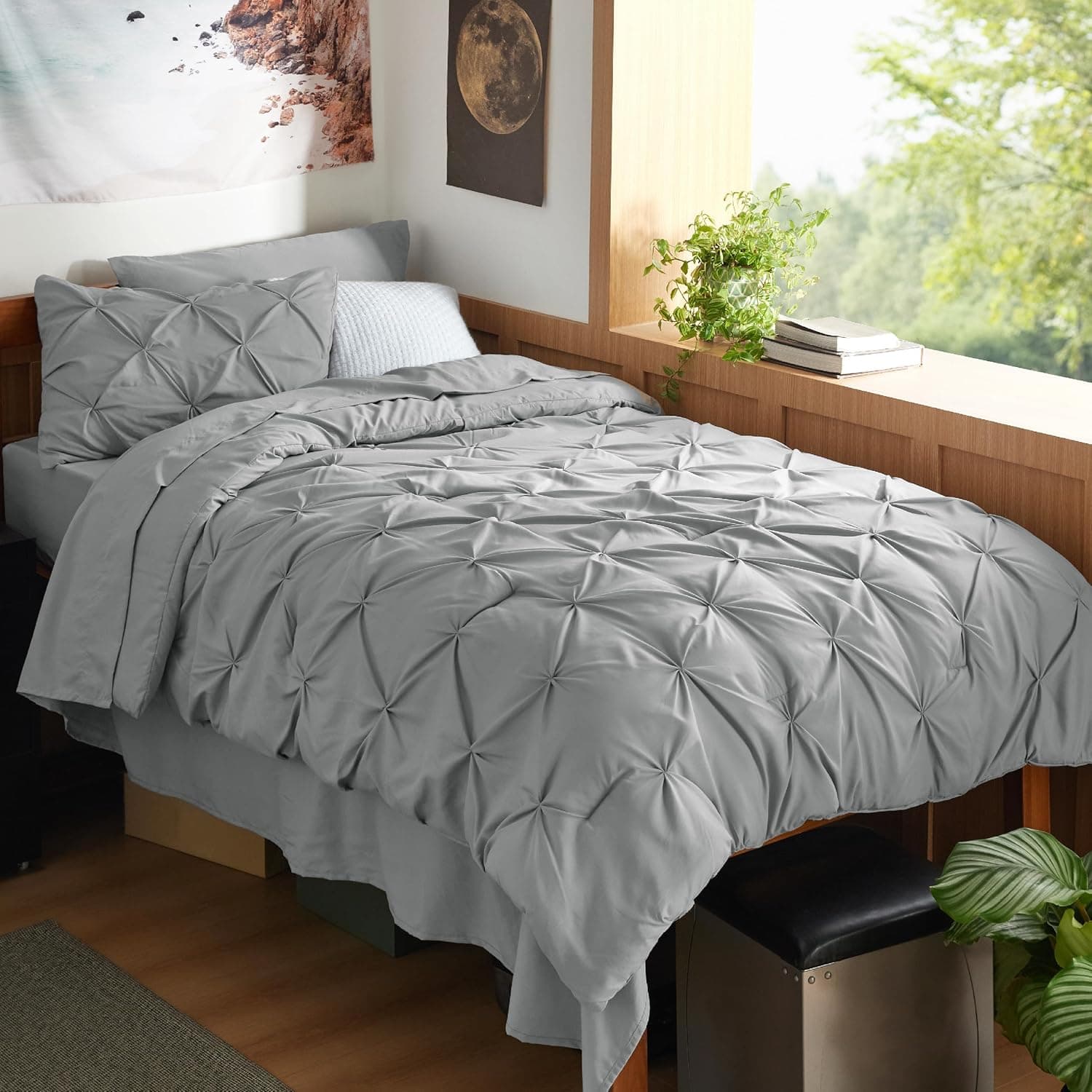
+ Twin/Twin XL sizing covers both regular and extra long twin mattresses
From our guide: Best Extra Long Twin Comforters
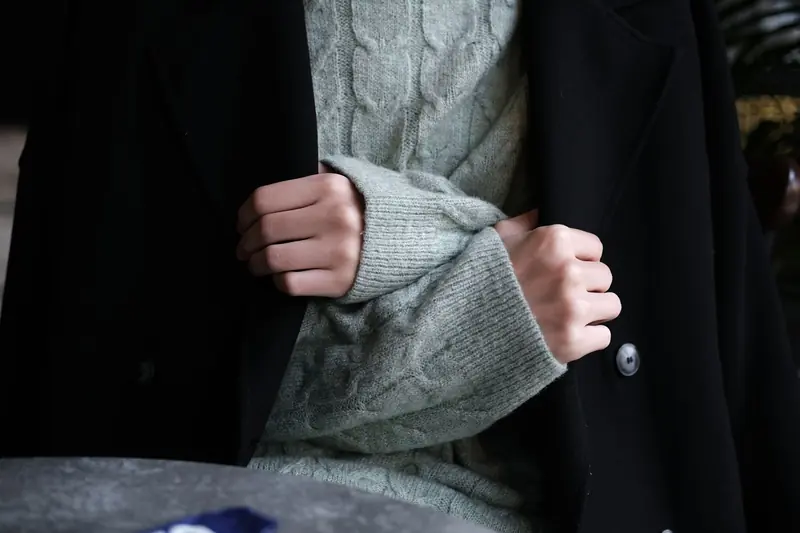
The foundation of good layering is that each layer must be long enough on its own. A base T-shirt or shirt needs enough torso length to stay tucked or reach past your waistband when you raise your arms, or it will creep up and bunch under everything above it. This is why tall-cut base layers matter more than any other piece, and why buying regular sizes and hoping the outer layers hide the shortfall never works.
Sleeve length has to be managed across every layer, from base to outer shell. When you stack a shirt, a sweater, and a jacket, the sleeves should progress cleanly, with each outer sleeve reaching close to the wrist bone. If the sweater sleeve stops two inches short, it announces itself the moment your jacket sleeve sits lower. Prioritize tall or long-sleeve versions for knitwear and outerwear, since these are the hardest sleeves to fix and the most visible when they fall short.
Hem alignment gives a layered outfit its polish, and tall people should think about how the hems relate. Generally, an inner layer can peek below an outer one deliberately, such as a shirttail below a sweater, but only if it looks intentional and even, not like the sweater simply ran out of fabric. Aim for either a clean stacked look, where each layer sits a touch longer than the one above, or fully tucked layers, rather than a random jumble of lengths.
Proportion is where tall frames can shine, so use layering to break up a long silhouette pleasingly. A long torso can look stretched in a single monochrome layer, but adding a mid layer that ends at the hip, or a jacket with a defined hem, creates horizontal interest that balances your height. Contrasting textures and a visible waist point stop the eye from reading you as one uninterrupted vertical line, which is the trap of dressing a tall body in a single long piece.
Fabric weight and bulk deserve thought, because tall people have more surface area and layers add up fast. Choose thinner, well-fitted base and mid layers so the stack does not become bulky, and save the heavier texture for the outer layer where it reads as intentional. Slimmer inner layers also stay put better, reducing the riding-up that plagues tall layering. A trim base under a structured overshirt or coat looks sharp without adding girth.
Build your layering wardrobe around a few proven tall pieces and repeat them. Once you find base tees, shirts, sweaters, and a jacket that all reach the right length, they mix and match reliably, and you can layer with confidence rather than checking the mirror for exposed wrists and midriff. Keep the long base layers as your non-negotiable foundation, add mid layers that define your waist and hips, and finish with outerwear whose sleeves and hem land where they should. For a tall frame, that discipline turns layering from a liability into one of your strongest style tools.
Popular right now
- Height to Inseam ChartArticle
- Car Seating Comfort for Tall DriversArticle
- What LT and XLT Mean: Tall Sizing ExplainedArticle
- Best Tall Men's ChinosBuying guide
- Best Tall Women's Coats With Extra Length and Sleeve ReachBuying guide
- Best Tall Women's Jumpsuits for Longer Torso and LegsBuying guide
Based on the last 28 days of search and visitor data.