Posture Tips for Very Tall People
Published Updated How we research
Very tall people are unusually prone to poor posture, and it rarely starts as laziness. A lifetime of ducking under doorways, leaning into low counters, bending toward shorter conversation partners, and folding into undersized furniture trains the body to hunch. Over years this becomes a habit the spine defaults to, leading to rounded shoulders, a forward head, and the aches that follow. The encouraging news is that posture is a skill you can retrain at any age.
Products from this article
The highest-scoring picks from the buying guides this article links to. Scores are our editorial assessment, not customer ratings.
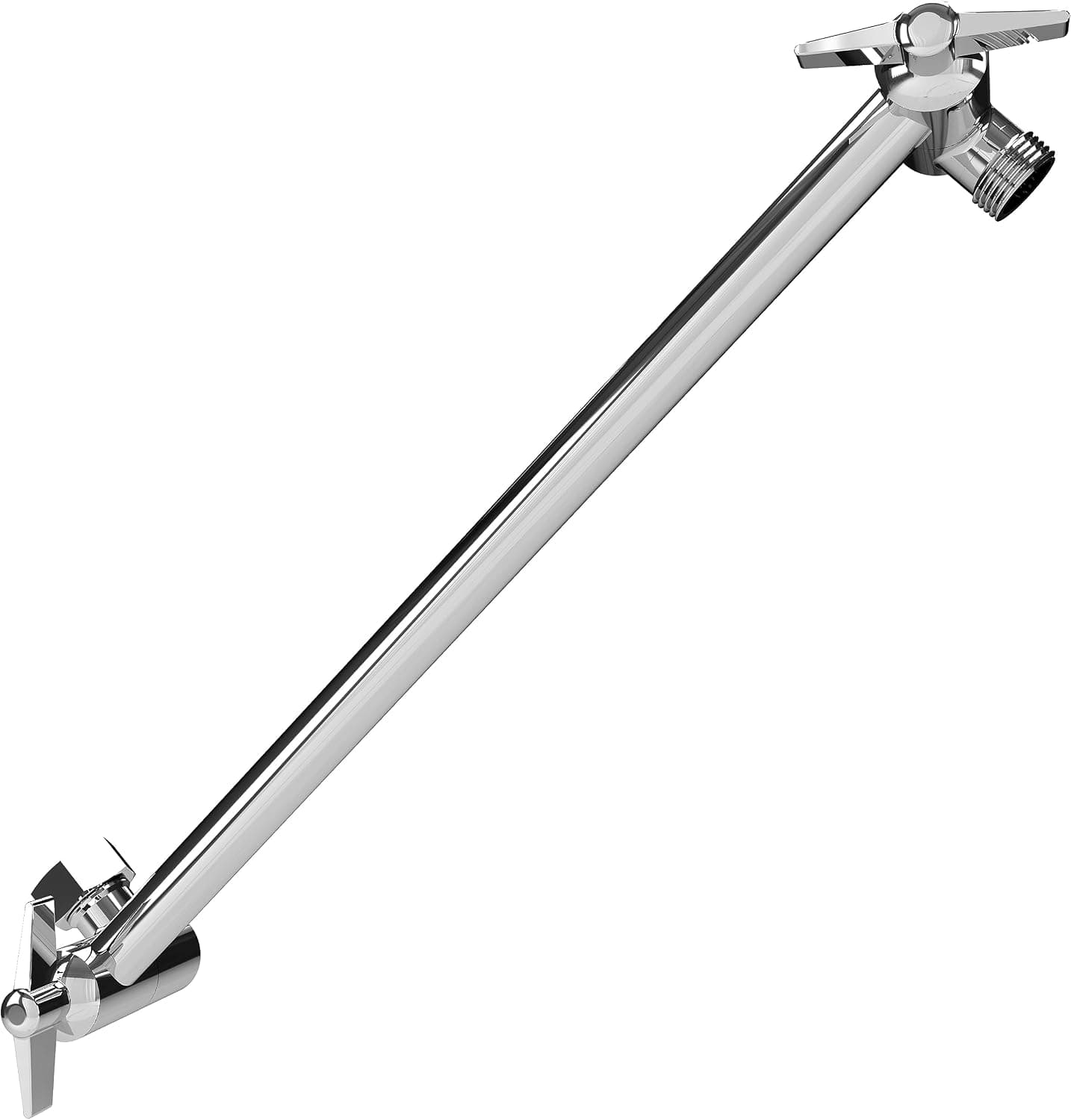
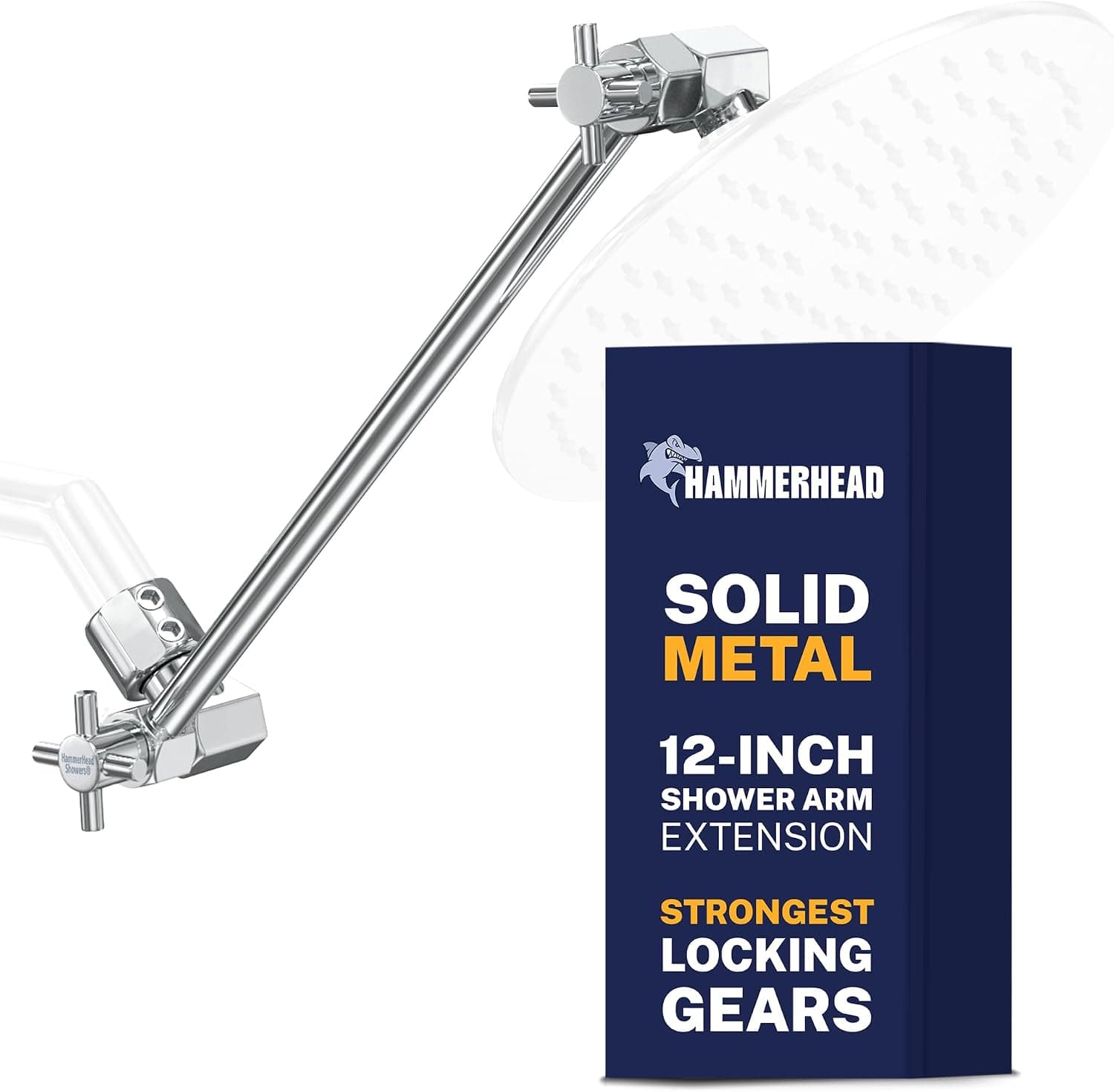
+ Solid metal build is tougher than cheap plastic extenders
From our guide: Best Shower Head Extension Arms for Tall People
+ 20x54 size gives full length support for tall sleepers
From our guide: Best Extra Long Body Pillows for Tall People
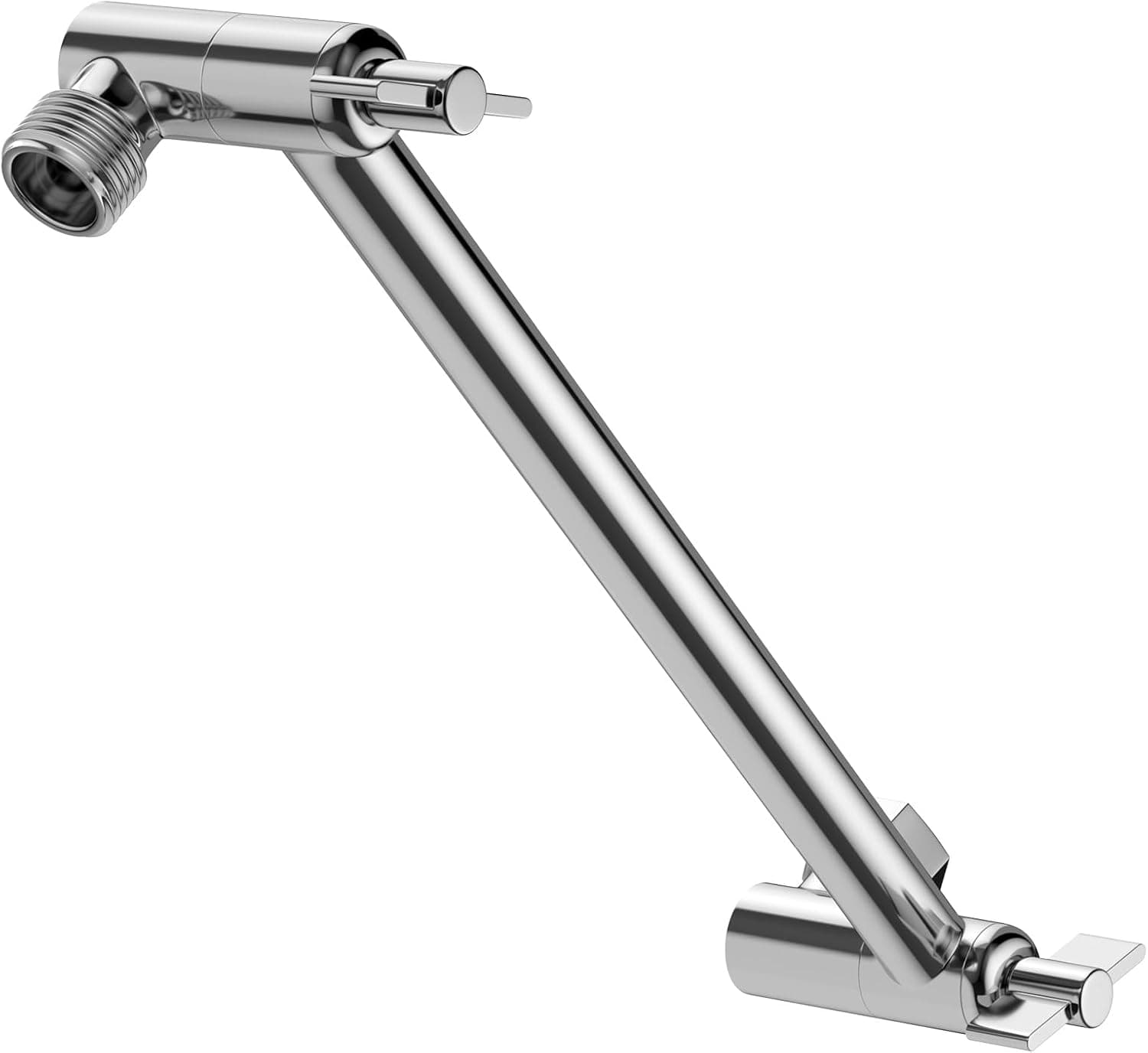
+ Stainless steel and brass resist rust in steamy bathrooms
From our guide: Best Shower Head Extension Arms for Tall People
+ 180x50cm length is much longer than standard body pillows
From our guide: Best Extra Long Body Pillows for Tall People



Understanding why the slouch develops is the first step to undoing it. Much of it is environmental, because the world is built shorter than you are, so you constantly lower yourself to meet it. Some of it is social, a subconscious attempt to seem less towering. And some is muscular, since chronically bending forward tightens the chest and front of the shoulders while lengthening and weakening the upper back. Recognizing these forces lets you counter each one deliberately.
Building awareness is the foundation, because you cannot fix a slouch you do not notice. Practice finding a neutral stack several times a day, stacking your ears over your shoulders, your shoulders over your hips, and your hips over your ankles, with the crown of your head reaching gently toward the ceiling. Rather than yanking your shoulders back rigidly, think of lengthening upward. Set reminders at first, since the goal is to make this stacked position feel normal again instead of foreign.
Strengthening the muscles that hold you upright is essential, since awareness alone tires quickly if the supporting muscles are weak. Focus on the upper back, the rear shoulders, and the core, with exercises like rows, band pull-aparts, and gentle back extensions that counter the forward-rounded pattern. A stronger posterior chain makes an upright position the path of least resistance rather than a constant effort. Even short, regular sessions build the endurance to hold good posture through a long day.
Stretching the tight front side balances the strengthening work. Long hours of hunching shorten the chest and hip flexors, which then pull you back into a slouch even when your back is strong. Open the chest with doorway stretches, loosen the hip flexors that tighten from sitting folded into small chairs, and mobilize the upper back so it can extend instead of staying locked forward. Flexibility in front and strength behind work together to hold you tall.
Your environment has to support the posture you are trying to build, or it will keep sabotaging you. This connects directly to fitting your world to your height, raising your desk and monitor, choosing chairs with proper seat height and depth, lifting your showerhead and mirror, and generally refusing to bend to furniture built for shorter people. Every low surface you raise to your level is one fewer daily rehearsal of the slouch. Fixing your surroundings is as important as any exercise.
Finally, be patient and consistent, because posture built over decades takes months to reshape. Weave the habits into daily life, checking your stack when you stand in line, strengthening and stretching a few times a week, and adjusting your environment piece by piece. If pain is persistent, a physical therapist can tailor a program to your body. Standing tall is not about rigid stiffness but about carrying your height with ease, and for a very tall person that ease protects the spine that has to serve you for a lifetime.
Forward head posture and why tall people are prone to it
Forward head posture is when the head drifts in front of the shoulders instead of stacking above them. Tall people slip into it easily because so much of daily life is below their eye line: laptop screens, phone screens, kitchen counters, and conversation partners. Each time you drop your gaze, the easiest movement is to push the head forward and down, and over thousands of repetitions that becomes the default resting position.
A simple way to notice it is to stand with your back against a wall, heels, hips, and shoulder blades touching. If the back of your head does not reach the wall comfortably, your head is sitting forward. Checking this position occasionally gives you a reference point for what a stacked head feels like, which makes it easier to catch the drift during the day.
Many people find gentle chin tucks useful as an awareness drill. Sit or stand tall, draw your chin straight back as if making a slight double chin, hold briefly, and release, keeping the movement small and comfortable. If you have neck pain, numbness, or symptoms that persist, get advice from a physical therapist or doctor before starting any exercise routine.
Fixing the setups that pull your head forward
For tall people, screen height is the single biggest environmental factor behind a forward head. Raise your monitor so the top of the screen sits at or slightly below eye level, and use a laptop stand with a separate keyboard and mouse rather than looking down at a laptop on a desk. If a monitor arm or riser still leaves the screen too low, a taller desk or a desk riser is the next step.
Phones are the second culprit. Bring the phone up toward eye level instead of dropping your head to it, and use a stand or holder when reading or watching video for longer stretches. In the car, adjust the seat and headrest so the headrest sits close behind your head, and set the mirrors while sitting tall, which gives you a cue to return to that position.
Sleep setup matters as well. A pillow that is too thin for a broad-shouldered side sleeper, or too thick for a back sleeper, can hold the neck at an angle for hours. Choose pillow height to keep your head in line with your spine for your usual sleeping position, and pair it with a bed long enough that you are not curling up or pushing against the headboard.
Quick answers
Why do tall people get forward head posture?
Much of the world sits below a tall person's eye line, so screens, counters, and conversation partners all invite you to push the head forward and down. Repeated over years, that becomes a habit, and tight chest muscles plus a weaker upper back make it easier to stay there. Adjusting your environment removes many of those daily triggers.
How can a tall person improve forward head posture?
Combine awareness, environment, and exercise. Raise screens to eye level, bring your phone up instead of looking down, and check your posture against a wall now and then. Gentle chin tucks and upper back strengthening can support the change. For persistent neck pain, see a physical therapist for a program tailored to you.
What desk setup helps a tall person avoid neck strain?
Set the top of the monitor at or slightly below eye level, keep it about an arm's length away, and use a laptop stand with a separate keyboard and mouse. Make sure the desk and chair let your elbows rest near 90 degrees without hunching. Tall users often need a taller desk, a monitor arm, or both.
Popular right now
- Height to Inseam ChartArticle
- Car Seating Comfort for Tall DriversArticle
- What LT and XLT Mean: Tall Sizing ExplainedArticle
- Best Tall Men's ChinosBuying guide
- Best Tall Women's Coats With Extra Length and Sleeve ReachBuying guide
- Best Tall Women's Jumpsuits for Longer Torso and LegsBuying guide
Based on the last 28 days of search and visitor data.