Shoe and Sock Fit for Big Feet
Published How we research
Tall people usually have large feet, and once your size climbs past where mainstream shelves stop, buying shoes and socks becomes its own challenge. Stores run out of the big sizes first, socks labeled one-size-fits-all clearly do not, and squeezing into shoes that are slightly too small leads to blisters, bunions, and worn-out arches. Fitting big feet well is about knowing your true measurements and where to shop, not just grabbing the largest size on the rack.
Products from this article
The highest-scoring picks from the buying guides this article links to. Scores are our editorial assessment, not customer ratings.
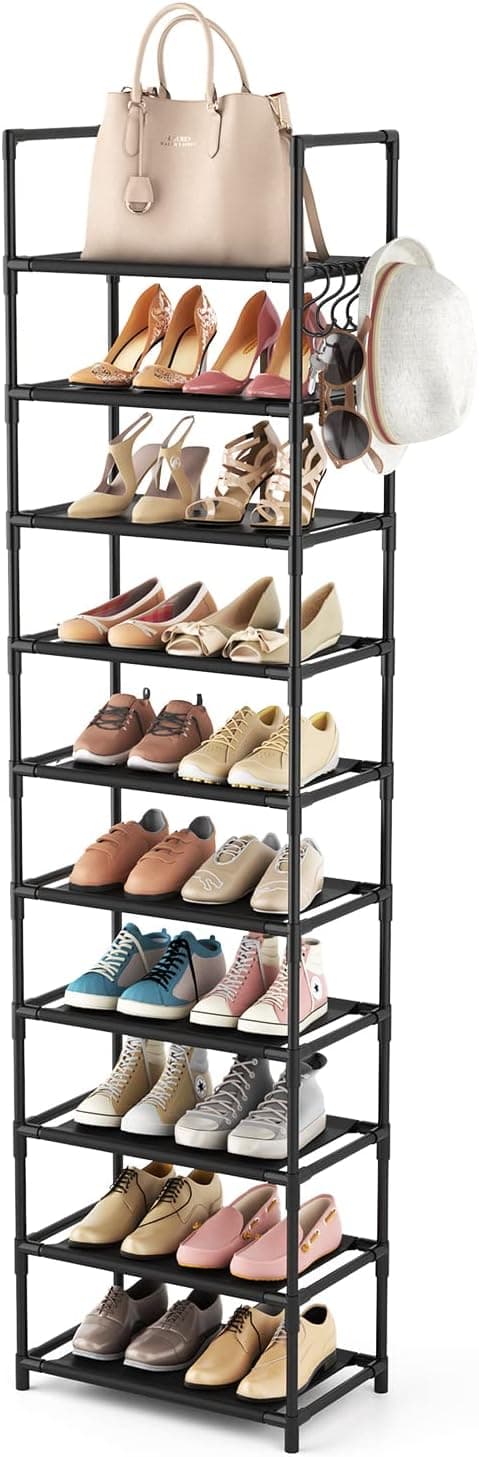
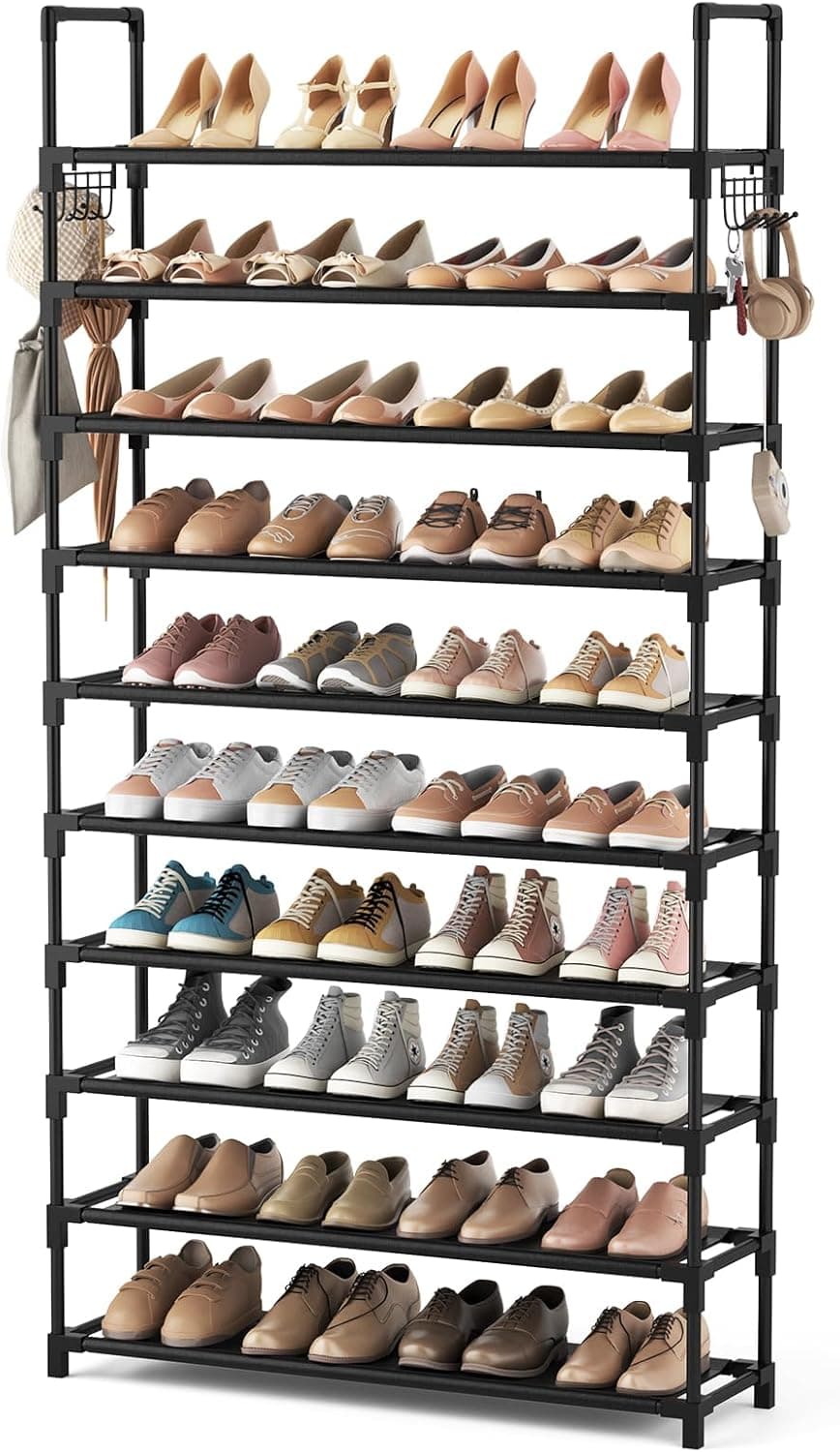
+ 50-55 Pairs capacity is the largest in this guide
From our guide: Best Tall Shoe Racks
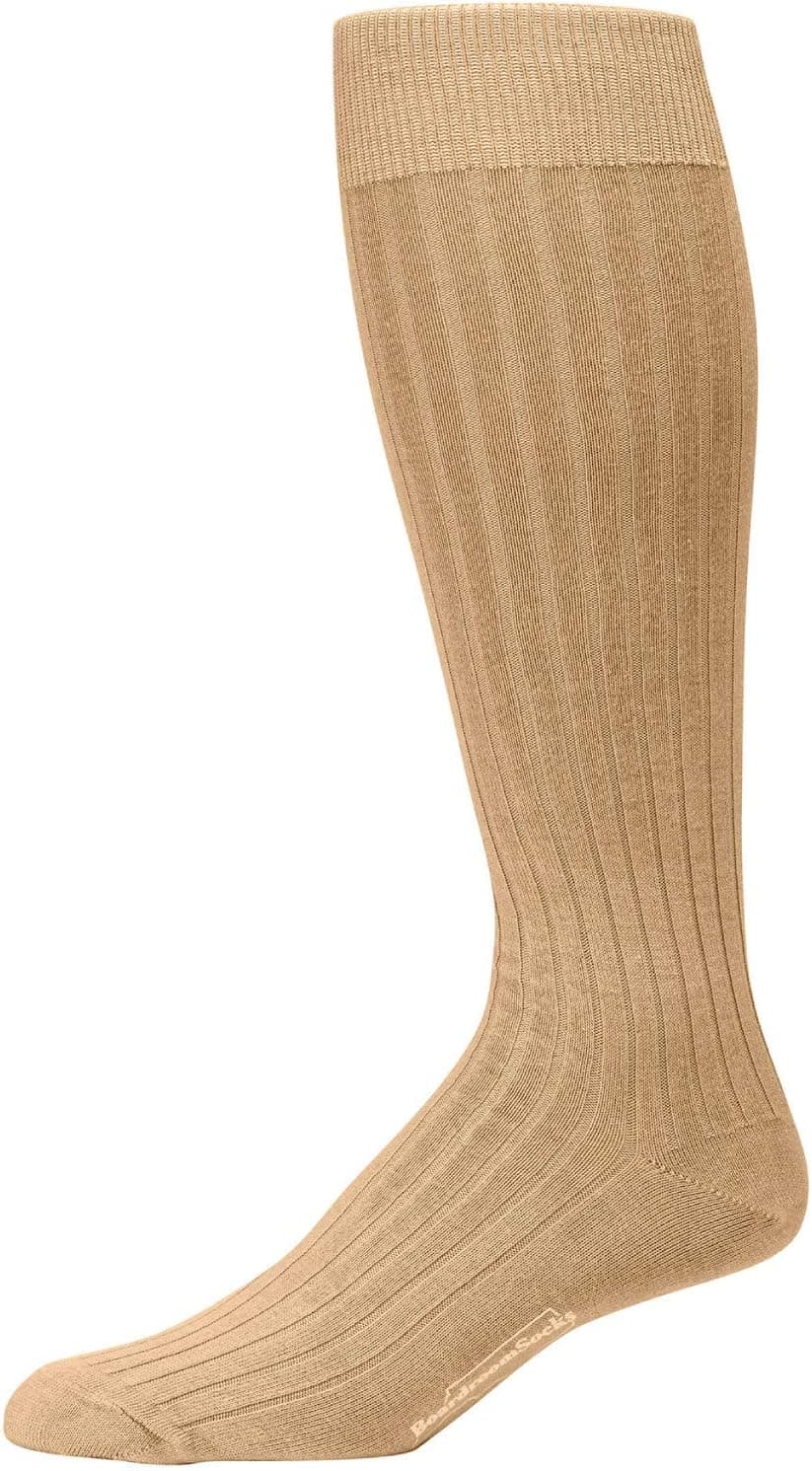
+ Sizes 13-16 fit big feet that standard dress socks cannot
From our guide: Best Tall Men's Socks
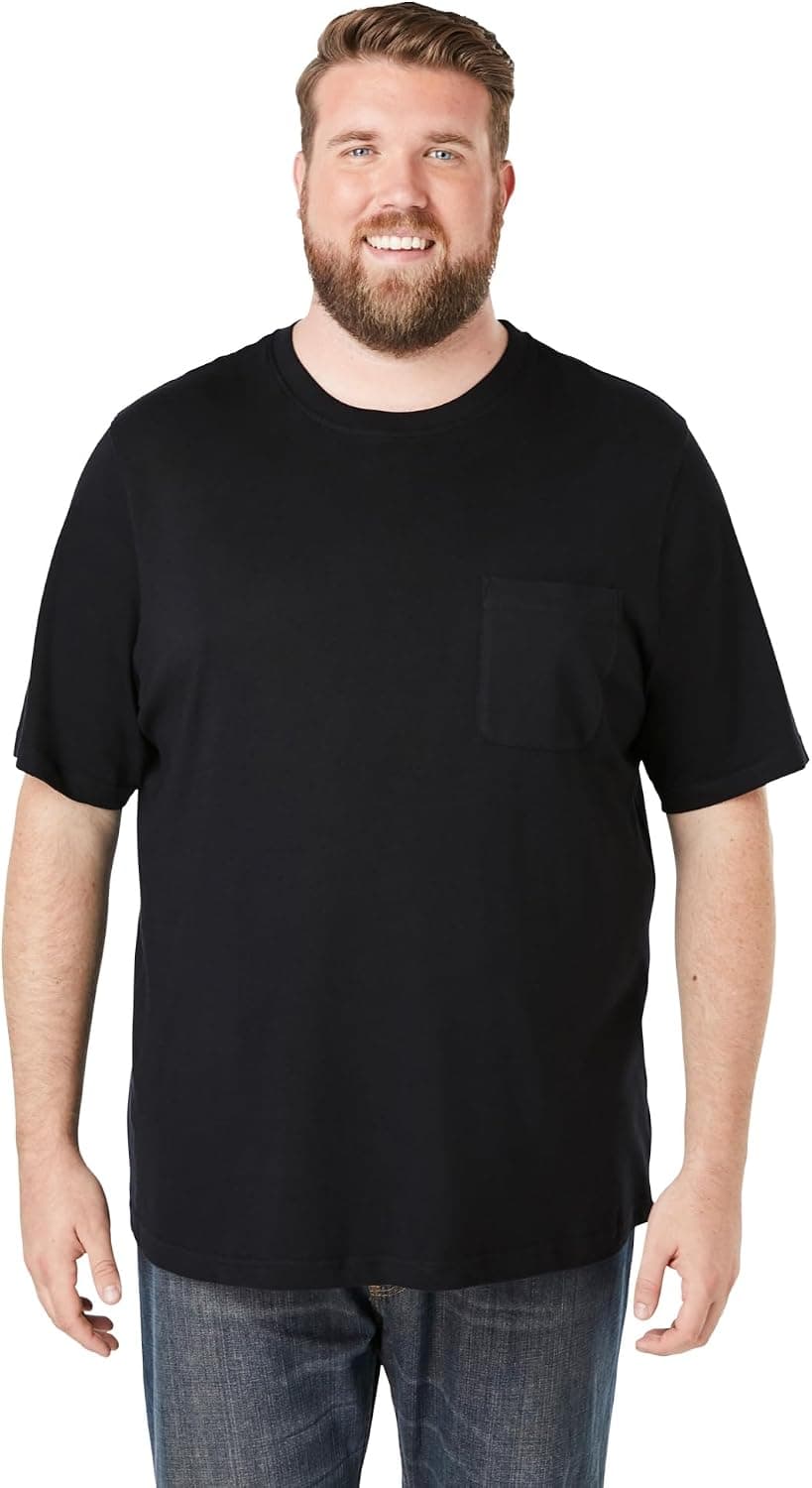
+ Shrink-less fabric keeps length after washing
From our guide: Best Tall Men's T-Shirts
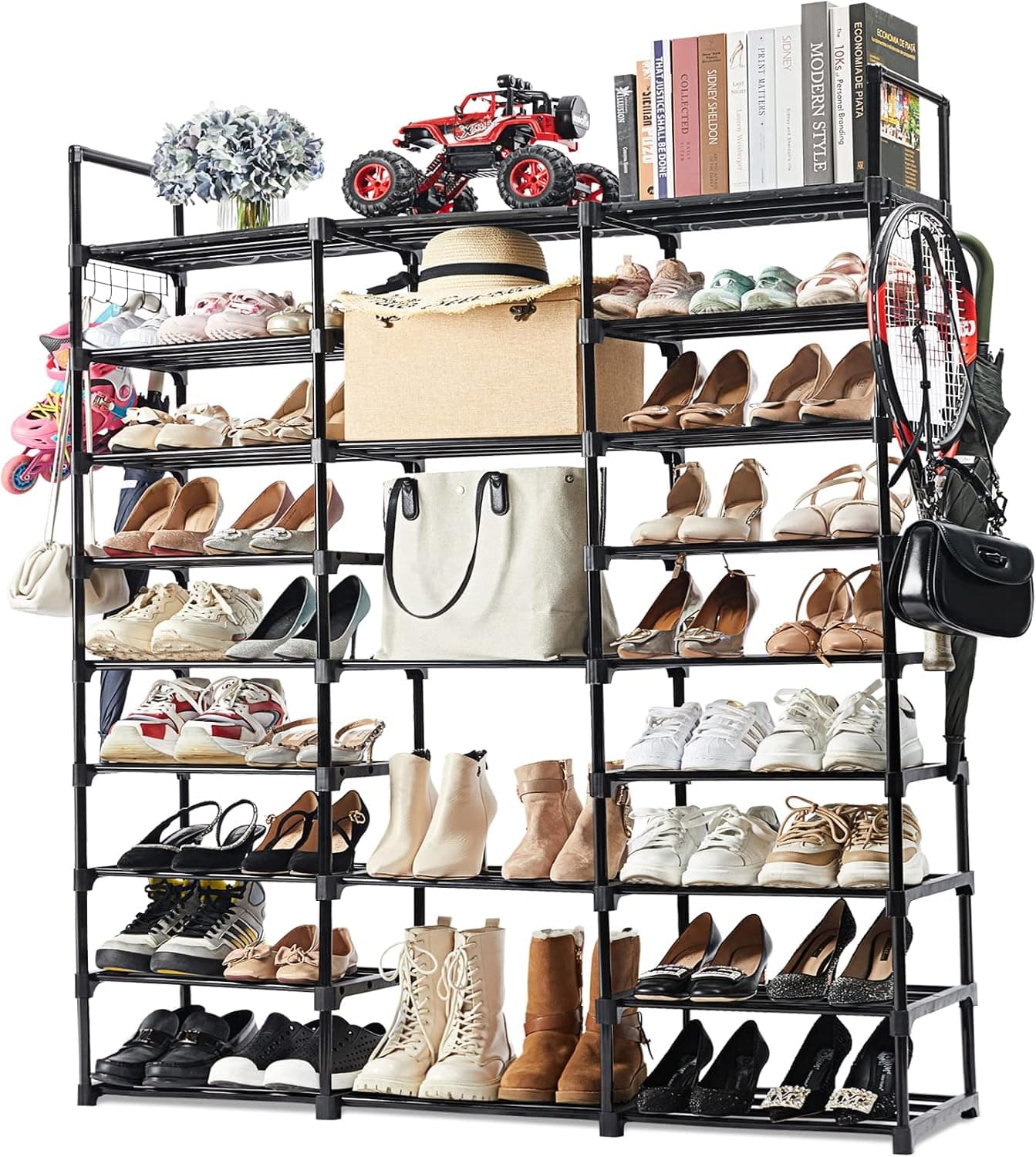
+ Wide shelves fit bigger shoe sizes common among tall people
From our guide: Best Tall Shoe Racks
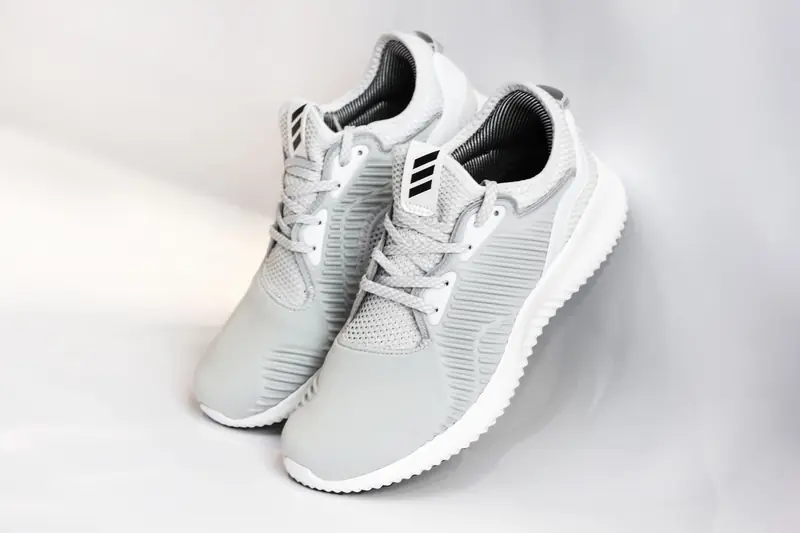
Start by measuring your feet properly rather than trusting a number you settled on years ago. Feet change over adulthood, often getting longer and wider, so measure length and width while standing, ideally late in the day when feet are at their largest. Do both feet, since most people have one slightly bigger, and always fit to the larger foot. Knowing your length in inches or centimeters lets you convert across the different regional sizing systems that big-foot shoppers inevitably encounter.
Width is the measurement large-footed people most often ignore, and it causes more pain than length. A shoe that is long enough but too narrow crushes the sides of your foot and forces your toes together. Look for brands that offer width options such as wide or extra-wide, and pay attention to the shape of the toe box, since a roomy, rounded toe box suits big feet far better than a sharply tapered one. The right width can make a size feel completely different.
Because the largest sizes sell out fastest and are rarely stocked in stores, plan to shop online and with specialty retailers. Several brands cater specifically to large and extended sizes, going well beyond the usual ceiling, and their charts are your friend. Order early in a product's life, buy a proven model in multiple colors when you find one that fits, and keep a note of which brands run large or small so you can convert confidently between them.
Fit-testing a shoe correctly saves you from painful mistakes. Leave about a thumb's width of space between your longest toe and the end of the shoe, wiggle your toes to confirm room, and walk to check that your heel does not slip and the widest part of your foot sits at the widest part of the shoe. Wear the socks you actually intend to use, since a thick sock changes the fit noticeably. Do this every time, because sizing is inconsistent across brands even at the same labeled number.
Socks are the overlooked half of the equation, and generic sizing fails big feet badly. A sock that is too short pulls tight across the toes or slips down at the heel, cutting circulation and bunching in the shoe. Seek out socks sized for larger feet, often listed by an explicit shoe-size range or a dedicated large size, rather than one-size products that stretch thin over a big foot. Proper-length socks keep the heel cup where it belongs and stop the toe seam from digging in.
Finally, look after the feet that carry a tall frame, because they take real load. Cushioned insoles, good arch support, and rotating between pairs extend the life of both your shoes and your feet, and replacing worn-out shoes promptly prevents the aches that radiate up into knees and back. Fit to your true length and width, buy from makers who actually offer your size, pair them with socks made for big feet, and your feet will thank you for every mile they carry you.
Popular right now
- Height to Inseam ChartArticle
- Car Seating Comfort for Tall DriversArticle
- What LT and XLT Mean: Tall Sizing ExplainedArticle
- Best Tall Men's ChinosBuying guide
- Best Tall Women's Coats With Extra Length and Sleeve ReachBuying guide
- Best Tall Women's Jumpsuits for Longer Torso and LegsBuying guide
Based on the last 28 days of search and visitor data.